📢 Affiliate Disclosure — Commission Earned on Qualifying Purchases
Glycine Deficiency in Modern Diets: The Case for Gelatin Supplementation
Glycine is the most abundant amino acid in gelatin — and one of the least represented in the muscle meat–heavy protein sources that dominate modern diets. This independent review examines the nutrition gap and what third-party verified gelatin supplementation can offer.
Modern protein consumption is dominated by muscle meat — chicken breast, beef, protein shakes derived from whey or plant isolates. All of these are high in branched-chain amino acids and essential amino acids. What they share is an almost complete absence of one structural amino acid: glycine.
Glycine makes up approximately 21–27% of gelatin protein by weight — far higher than any other common dietary protein source. Most muscle meat contains 1.5–2.5% glycine by weight. The traditional food sources of glycine — bone broth, cartilage, skin-on preparations, organ meats — have declined significantly in Western dietary patterns over the past century.
~25%
Glycine in gelatin protein
Gelatin protein is approximately 21–27% glycine by weight — the highest concentration in any common protein source.
~2%
Glycine in whey protein
Standard whey protein concentrate contains approximately 1.5–2% glycine by weight — roughly 10–12× less than gelatin.
~14%
Proline in gelatin protein
Proline is the second most abundant amino acid in gelatin, playing a structural role in connective tissue that is distinct from BCAA functions.
~12%
Hydroxyproline in gelatin
Hydroxyproline is essentially unique to gelatin among common protein sources. It is derived from proline through post-translational modification in collagen synthesis.
Research Context — Not a Health Claim
Peer-reviewed literature has investigated roles for glycine in connective tissue maintenance, sleep quality, and metabolic function. The evidence base is ongoing and does not constitute established clinical recommendations. Gelatine Sculpt is not intended to diagnose, treat, cure, or prevent any disease. Individual results will vary. Always consult a healthcare professional before beginning any supplement.
"The shift away from nose-to-tail eating and traditional bone preparations has reduced average glycine intake significantly below what evolutionary dietary patterns historically provided."
— Nutritional anthropology literature. Context only — not a manufacturer claim.
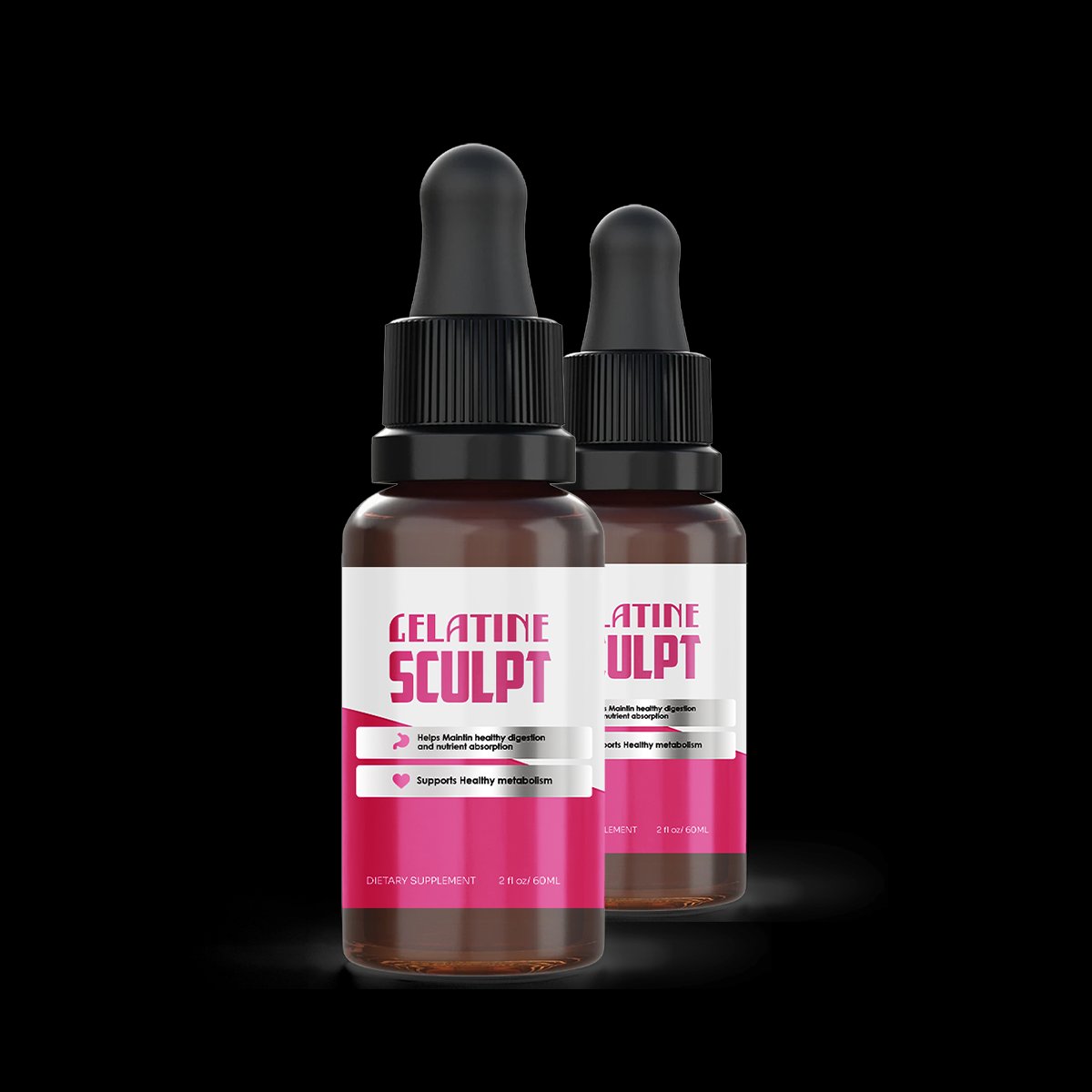
Dose Theory independently verifies: Gelatine Sculpt is GMP-certified, third-party lab tested, and carries a 60-day guarantee. Commission earned on purchases through our links.
What Gelatine Sculpt provides — verified by Dose Theory
Independent Verification — What Dose Theory Confirms
01
GMP-certified manufacturing facility
Produced under Good Manufacturing Practice guidelines — the regulatory baseline for supplement quality, contamination control, and documentation standards.
02
Independent third-party laboratory testing
Purity and potency confirmed by a laboratory with no financial relationship to the manufacturer. Label claims verified without conflict of interest. Dose Theory does not assess efficacy claims.
03
Liquid dropper delivery — 60ml per bottle
Adjustable dosing via dropper format. Practical advantage over fixed capsule format for those managing daily intake. Travel-compact. Dose Theory confirms format — not bioavailability claims.
04
60-day money-back guarantee on all packages
All three package sizes carry a 60-day satisfaction guarantee managed by the manufacturer. Dose Theory cannot process returns — contact the manufacturer directly for refund procedures.
Glycine is the simplest amino acid and the most abundant in gelatin-derived protein. It plays structural roles in connective tissue as a primary component of collagen. Modern high-muscle-meat diets provide very little glycine compared with traditional nose-to-tail eating patterns. This gap has prompted interest in gelatin and collagen supplementation as a practical source of concentrated glycine intake. Individual requirements and responses vary.
No. Dose Theory is an independent affiliate editorial platform. We earn commissions on purchases made through our links but are not owned by, employed by, or affiliated with the manufacturer of Gelatine Sculpt in any editorial capacity. All content reflects our independent assessment framework.
No. Third-party laboratory testing confirms that the product contains what its label states — the ingredients at the listed concentrations, free from contamination. It does not and cannot confirm physiological outcomes, weight management effects, or efficacy for any specific health purpose. Individual results vary. These statements have not been evaluated by the FDA.